Breastfeeding: A Midwife’s Complete A to Z Guide
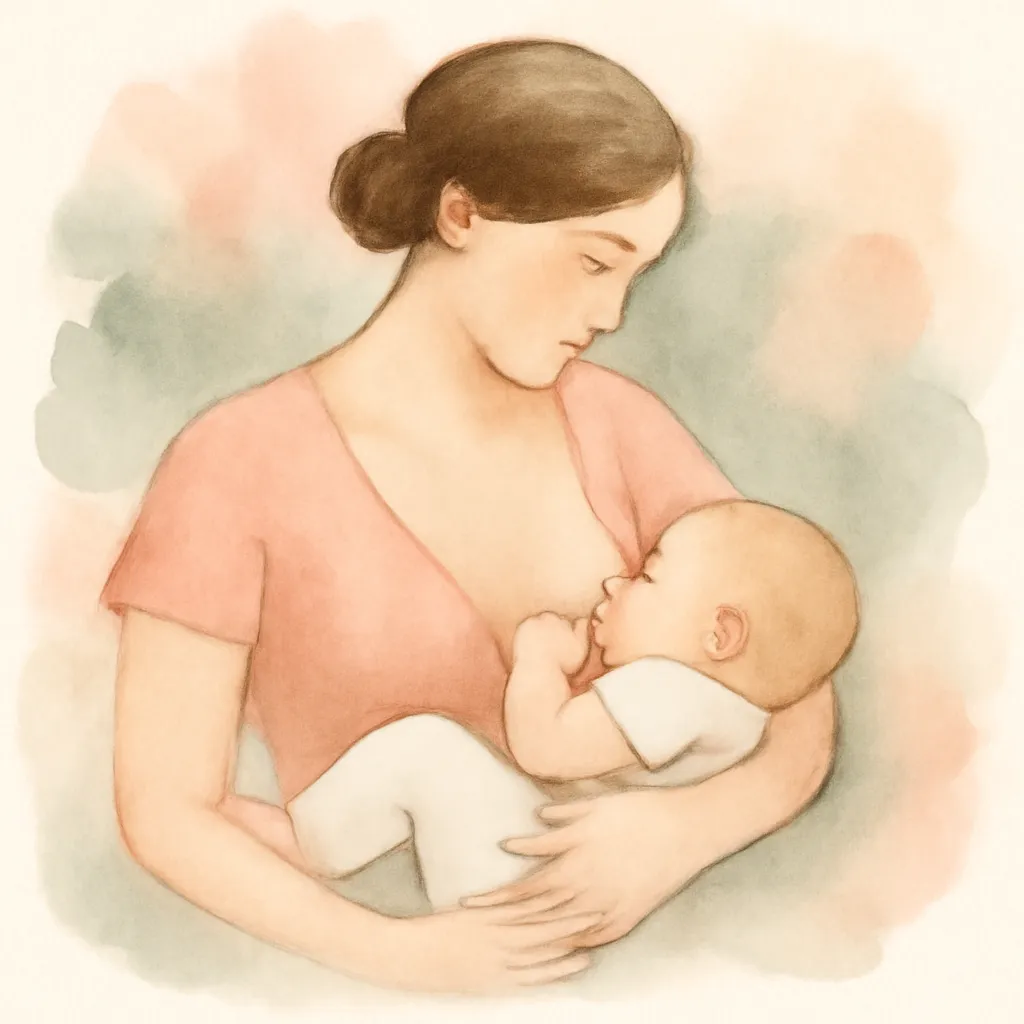
Everything you need to know about breastfeeding
Breastfeeding is one of the most beautiful and sometimes most challenging experiences of motherhood. As a midwife, I’ve supported thousands of mothers through breastfeeding, and I know that the right information makes the difference between enjoying it and giving it up out of frustration.
In this complete guide I tell you everything you need to know about breastfeeding: from the first latch to weaning, including the most common problems and how to solve them.
Benefits of breastfeeding
For your baby
- Immune protection (antibodies from the mother)
- Lower risk of gastrointestinal and respiratory infections
- Better cognitive development
- Reduces the risk of allergies, obesity and type 2 diabetes
- Supports the emotional bond between mother and baby
For you
- Helps postpartum recovery (contraction of the uterus)
- Reduces the risk of breast and ovarian cancer
- Helps with postpartum weight loss
- Saves money (formula is expensive)
- Practical: always available, at the perfect temperature
Postpartum and breastfeeding
LAI Unstoppable Breastfeeding
Online breastfeeding course by midwife Diana Martínez. Learn from pregnancy how to breastfeed without doubts, without pain and without stress, for as long as you and your baby choose. €97, lifetime access.
See the program →The first latch: the first hours are key
The WHO recommends starting breastfeeding within the first hour of life. Skin-to-skin contact immediately after birth makes it easier for your baby to look for the breast instinctively (the rooting reflex).
Tips for a good first latch:
- Skin to skin: place your baby, undressed, on your chest
- Don’t force it: let your baby find the breast on their own
- Mouth wide open: your baby should take in a large part of the areola, not just the nipple
- Comfortable position: both you and your baby should be relaxed
- Ask for help: the hospital midwives are there to help you with those first attempts
Breastfeeding positions
There’s no single correct position. The best position is the one that’s comfortable for both of you. The most common ones are:
- Cradle hold: the classic, with your baby lying facing you
- Football (rugby) hold: ideal after a cesarean, with your baby tucked under your arm
- Side-lying position: perfect for night feeds
- Biological nurturing (laid-back position): you semi-reclined and your baby lying tummy-down on you
- Upright (koala) position: for babies with reflux or latching difficulties
Common breastfeeding problems and how to solve them
Cracked nipples
Cracks usually point to a poor latch. The solution isn’t to put up with the pain but to correct the position. A breastfeeding consultation with a midwife can solve this problem in a single session.
Breast engorgement (hard, painful breasts)
Common in the first few days. The best solution is to breastfeed often and, if needed, express a little milk before the feed to make latching easier.
Mastitis
Inflammation of the breast with fever and pain. It needs medical attention, but you DO NOT need to stop breastfeeding. In fact, emptying the breast well is part of the treatment.
«I don’t have enough milk»
This is the most widespread myth about breastfeeding. The vast majority of women produce enough milk. The key is demand: the more your baby feeds, the more milk you make. If you have real doubts about your supply, talk to a midwife before supplementing.
Breastfeeding and work
It’s possible to keep breastfeeding when you go back to work. Options: expressing and storing milk, combination feeding, or adjusting your schedule. In Spain, you’re entitled to a one-hour reduction in your working day for breastfeeding; check what applies where you live.
How long should you breastfeed?
The WHO recommends exclusive breastfeeding until 6 months, and then breastfeeding alongside other foods until 2 years or beyond. But the decision is yours: any amount of breastfeeding is beneficial.
Gentle weaning
When the time comes to stop breastfeeding, gentle weaning means doing it gradually, without pressure or deadlines. Drop feeds little by little, starting with the ones that matter least to your baby (usually the daytime ones) and keeping the most meaningful ones (night-time, comfort).
Formula feeding: when breastfeeding isn’t possible or isn’t what you want
Formula feeding is a perfectly valid option. Not breastfeeding doesn’t make you a worse mother. What matters is that your baby is well fed and that you’re doing well emotionally. If you choose formula, your pediatrician will advise you on which one to choose.
Online breastfeeding consultation with a midwife
If you’re having problems with breastfeeding, an online breastfeeding consultation with a professional midwife can be the solution. Over a video call I can watch a feed, assess the latch and give you personalized guidance. Don’t suffer in silence: most breastfeeding problems can be solved quickly with the right advice.
If you want complete training in breastfeeding, the LAI Unstoppable Breastfeeding course covers everything from the start to weaning, in all the detail you need.
Frequently asked questions about breastfeeding
Is it normal for breastfeeding to hurt?
In the first few days there may be slight discomfort, but intense pain is NOT normal. If it hurts, there’s probably a latch problem that can easily be corrected with professional help.
How do I know if my baby is getting enough?
The reliable signs are: at least 6 wet diapers a day, good weight gain at checkups, and your baby being active and alert between feeds.
Can I take medication while breastfeeding?
Most medications are compatible with breastfeeding. Always check e-lactancia.org, a free database that is a worldwide reference.
Is combination feeding an option?
Yes. Combination feeding (breast + bottle) is a valid option. What matters is that it works for your family. If you decide to supplement, get advice so you can maintain your milk supply.
When can I start solid foods?
From 6 months, when your baby shows signs of being ready: they can sit up, have lost the tongue-thrust (extrusion) reflex and show interest in food.
💕 Enjoyed this? Join our community of mindful moms
Your next step
LAI Unstoppable Breastfeeding · €97
Online breastfeeding course by midwife Diana Martínez. Learn from pregnancy how to breastfeed without doubts, without pain and without stress, for as long as you and your baby choose. €97, lifetime access.
I want LAI Unstoppable Breastfeeding →This article informs and supports you; it does not replace the care of the professionals looking after you in your pregnancy, birth and postpartum.